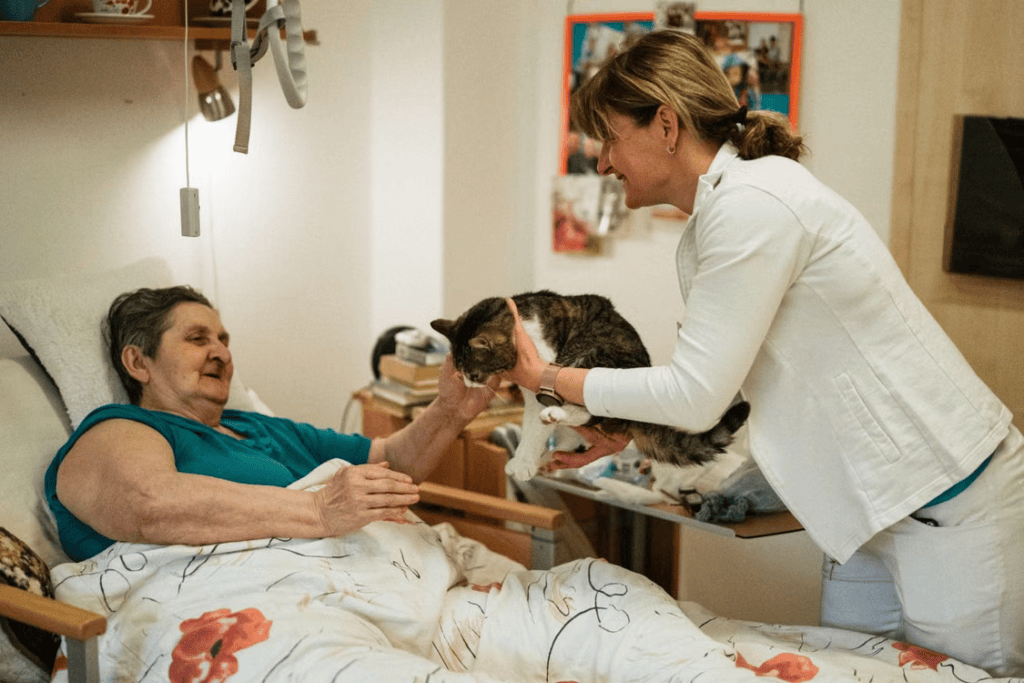
A hospital discharge can happen quickly, sometimes with little warning. One day your loved one is admitted, and the next you’re told they can’t safely return home. Suddenly, families are forced to make urgent decisions about senior living after hospital discharge, often under stress, fear, and time pressure. It can feel overwhelming, especially for a family member who was not prepared to make decisions about care so quickly.
If you’re unsure what to do next, you’re not alone. This guide explains what typically happens after discharge, what care options families consider, and how to make safe, timely decisions when senior care is needed immediately, while working closely with a care team and understanding available care services.
Why Hospital Discharge Changes Everything
After a hospitalization, many older adults, especially seniors, are no longer able to:
- Walk safely on their own
- Manage medications independently
- Perform daily tasks like bathing or dressing
- Live alone without supervision
These challenges often relate to changes in activities of daily living, also known as daily living ADLs, which are key indicators used by medical professionals to determine the appropriate level of care.
Doctors, nurses, case managers, and hospital discharge planners may recommend short-term rehab, assisted living, or memory care as part of broader hospital discharge plans. In many cases, families begin to recognize signs it’s time to move from independent to assisted living only after a hospital stay highlights safety concerns.
This is where hospital discharge senior care decisions become urgent, and where long-term care planning often begins sooner than expected.
Common Scenarios Families Face After Discharge
Every situation is different, but many families encounter one of these realities when a loved one is preparing to leave the hospital.
“They Can’t Go Home Yet”
The home environment may no longer be safe due to:
- Fall risk
- Mobility limitations
- Cognitive changes
- Lack of in-home support or medical care
In these cases, returning home without support can place older adults at serious risk.
“Rehab Isn’t Enough”
While rehab can be helpful as part of recovery, it doesn’t always address long-term supervision or ongoing care services, especially when dementia, chronic illness, or complex medical care needs are present.
“We Need a Decision Now”
Hospital stays are short. Beds are needed. Families may have days, not weeks, to arrange senior living after hospitalization, often while coordinating with a care team and making decisions remotely. Many adult children find themselves managing senior living decisions from afar while balancing work, travel, and family responsibilities.
Assisted Living vs Memory Care After a Hospital Stay
One of the most urgent questions families face is where their loved one should go next and which care setting is appropriate.
Assisted Living After Hospitalization
Assisted living may be appropriate if your loved one:
- Is cognitively stable
- Needs help with daily activities and activities of daily living
- Requires medication management
- Is mobile with assistance
Assisted living provides structure, meals, supervision, and personal care services within a senior living community. However, it assumes the resident can follow routines safely and does not require intensive medical care.
Memory Care When Cognitive Decline Is Present
Memory care is often recommended when:
- Dementia or Alzheimer’s is diagnosed or suspected
- Confusion worsened during hospitalization
- Wandering, agitation, or safety risks are present
Hospitals often reveal cognitive issues families hadn’t seen clearly before. In these cases, families may need guidance on moving a parent with dementia to assisted living or transitioning directly into memory care for greater safety and supervision.
Why Emergency Senior Placement Happens So Often
Many families don’t plan for post-hospital senior care, it’s forced by circumstance. When a medical event accelerates decline, families often need guidance on how to find senior living quickly during an emergency without making rushed or unsafe decisions.
Emergency senior placement usually occurs when:
- A fall or medical event accelerates decline
- Care needs change suddenly
- In-home care is not immediately available
- Family caregivers are overwhelmed and unsure how to coordinate care services
Urgency doesn’t mean families should panic, but it does mean they need clear guidance fast, especially when navigating long-term care options.
What Families Should Focus on First
When decisions must be made quickly, prioritize these factors:
- Immediate safety (not long-term preferences yet)
- Level of supervision required
- Cognitive status after hospitalization
- Availability of local assisted living or memory care within a senior living community
Trying to solve everything at once often leads to confusion. The goal is to secure safe transitional care within the right care setting, then reassess once stability returns and a clearer care plan is in place.
The Role of Local Senior Placement Support
Local placement support helps families make fast, informed decisions during hospital discharge by providing hands-on guidance through available senior placement services, especially when time and safety are critical.
Senior placement advisors assist by:
- Coordinating directly with hospitals, case managers, and rehab teams
- Identifying available assisted living or memory care quickly
- Matching care level to medical and cognitive needs
- Reducing delays that could lead to unsafe discharges
For families navigating urgent situations, local expertise can make the difference between a rushed placement and a safe transition into appropriate long-term care.
You Don’t Have to Make This Decision Alone
Hospital discharge decisions are stressful, and they often feel overwhelming, but families don’t have to face them without support.
If your loved one can’t safely return home, getting professional guidance can:
- Prevent rushed or unsafe placements
- Reduce family conflict among involved family members
- Bring clarity during an emotional time
The right senior living solution after discharge prioritizes safety first, then stability, then long-term planning for medical care and daily living needs.
Take the Next Step With Confidence
If you’re facing a hospital discharge and unsure what comes next, it’s okay to ask for help.
Speaking with a local senior placement advisor can help you understand your options quickly, coordinate next steps with the care team, and ensure your loved one transitions into care safely, without unnecessary delays or added stress.