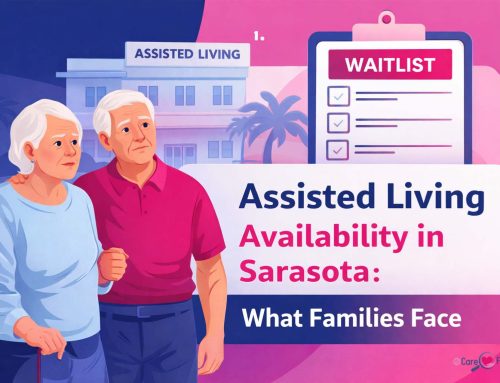

As seniors age, their needs evolve, and at some point, assisted living may no longer provide the level of care required. Families often wonder, “When should my loved one transition from assisted living to a nursing home?” Making this decision is not easy. However, recognizing when more care is needed ensures a safer, healthier, and more comfortable living space.
This guide will explore the difference between assisted living and nursing homes, key indicators that signal a move is needed, and practical steps to make the transition smoother.
1. Understanding the Difference: Assisted Living vs. Nursing Home
Before making a decision, it’s important to understand the difference between assisted living and a nursing home. While both provide support, they cater to different levels of need.
What Does Assisted Living Offer?
An assisted living facility helps seniors with daily tasks while allowing them to stay as independent as possible. These communities provide:
- Help with dressing, grooming, and meal preparation.
- Social activities and opportunities for engagement.
- Medication reminders but not full-time medical care.
- A home-like setting with private or semi-privat
cipro for sale online in the best USA pharmacy httpurchase flomax online in the best USA pharmacy https://chronolife.net/wp-content/uploads/2025/09/html/purchase-flomax.html no prescription with fast delivery drugstore
ps://eclado.com.au/wp-content/uploads/2025/10/html/cipro-for-sale.html
no prescription with fast delivery drugstoree living spaces.
What Does a Nursing Home Provide?
A nursing home, also called a skilled nursing facility, provides 24/7 medical care. It helps seniors who need continuous supervision and assistance. These facilities provide:
- Skilled nursing care for chronic conditions, recovery, and rehabilitation.
- Assistance with all daily activities, including feeding and mobility.
- Physical, occupational, and speech therapy.
- Secure environments for seniors with advanced dementia or Alzheimer’s.
The main difference between assisted living and a nursing home is the level of medical care provided. Assisted living helps with personal care and daily tasks, while nursing homes offer higher levels of care and medical supervision for seniors with complex health needs.
2. Signs It’s Time to Move from Assisted Living to a Nursing Home
It can be challenging to determine when an assisted living facility is no longer enough. Here are some clear signs that a nursing home may be the better option.
-
Increased Medical Needs
- Your loved one requires frequent medical attention beyond what assisted living staff can provide.
- Worsening chronic conditions, such as heart disease, diabetes, or severe arthritis.
- Need for skilled nursing care, such as wound management or
finasteride for sale online in the best USA pharmacy https://eclado.com.au/wp-content/uploads/2025/10/html/finasteride-for-sale.html no prescription with fast delivery drugstore
oxygen therapy.
-
Frequent Hospital Visits
- If your loved one has multiple hospital stays within a short period, a nursing home can provide the continuous care they need.
- Assisted living facilities may not be equipped to handle complex medical conditions requiring monitoring.
-
Severe Mobility Issues
- A senior can no longer walk or transfer independently, even with assistance.
- Increased fall risks that cannot be managed in an assisted living setting.
-
Cognitive Decline
- Advanced Alzheimer’s or other form of dementia requiring constant supervision.
- Wandering behavior or confusion leading to unsafe situations.
-
Loss of Self-Sufficiency
- Struggles with feeding, toileting, and personal hygiene.
- Inability to recognize basic safety risks (e.g., leaving the stove on).
When an assisted living facility can no longer meet a resident’s needs, moving to a nursing home can provide greater safety, medical support, and peace of mind for both seniors and their families.
3. Key Differences Between an Assisted Living Facility and a Nursing Home
When comparing assisted living vs. skilled nursing, consider the following:
| Feature | Assisted Living Facility | Nursing Home (Skilled Nursing Facility) |
| Medical Care | Basic assistance with medications and daily activities | 24/7 skilled nursing care and medical supervision |
| Staffing | Caregivers, medication aides, and activity coordinators | Licensed nurses, doctors, and therapists |
| Living Environment | Apartment-style housing with shared dining and recreation areas | More structured, hospital-like setting wi
purchase doxycycline online in the best USA pharmacy https://chronolife.net/wp-content/uploads/2025/09/html/purchase-doxycycline.html no prescription with fast delivery drugstore
th specialized care |
| Cost & Insurance | Private pay, some Medicaid waivers | Medicaid and Medicare may cover costs |
The difference between assisted living and nursing home care is primarily in the level of medical support provided. Seniors requiring constant monitoring or advanced treatment will likely benefit from nursing home care.
4. Transitioning from Assisted Living to a Nursing Home
Moving to a nursing home can feel overwhelming, but preparing ahead can make it easier.
-
Start the Conversation Early
- Talk to your loved one about their increasing care needs and why a transition may be necessary.
- Involve doctors and assisted living facility staff in the discussion.
-
Research and Compare Nursing Homes
- Schedule tours and ask about the types of skilled nursing care offered.
- Check if the facility has the necessary medical equipment to meet your loved one’s needs.
- Consider facilities that specialize in your loved one’s medical conditions and ensure staff members are trained to provide the appropriate level of care.
-
Manage the Emotional Transition
- Help your loved one pack personal belongings to create a sense of familiarity.
- Stay involved in their care to ensure they feel supported.
With careful planning, the move from assisted living vs. nursing home can be a positive step toward better health and safety.
5. Choosing the Right Nursing Home for Long-Term Care
If an assisted living facility can no longer meet your loved one’s needs, finding the right nursing home is crucial. Here’s what to consider:
-
Reputation and Accreditation
- Look at state inspection reports and online reviews.
- Verify if the facility is Medicare/Medicaid-certified.
-
Quality of Care
- Ask about nurse-to-resident ratios and medical services offered.
- Inquire about rehabilitation programs, meals, and daily activities.
-
Resident Life and Comfort
- Choose a facility that prioritizes emotional well-being and engagement.
- Some nursing homes offer specialized memory care units for seniors with dementia.
A senior placement service like My Care Finders can help families evaluate the best options for assisted living vs. nursing home care.
Making the Right Move for Your Loved One
Transitioning from assisted living to a nursing home is a significant step, but when a senior’s medical or personal care needs exceed what assisted living can provide, it may be the best choice.
By recognizing the signs of decline, comparing assisted living vs. skilled nursing, and preparing for the transition, families can ensure their loved ones receive the highest level of care and support.
Need Help Finding the Right Nursing Home?
Selecting the best nursing home for your loved one is an important decision that requires careful consideration. My Care Finders provides expert guidance to help you explore options, evaluate care services, and ensure a smooth transition. Contact us today for trusted support and peace of mind in your senior care journey.