
 Pregabalin Vs Gabapentin: Key Differences Compared
Mechanism of Action: How Each Drug Differs
Both drugs attach to the α2δ subunit of presynaptic voltage‑gated calcium channels to reduce excitatory neurotransmitter release, but they differ importantly in binding and absorption. Pregabalin binds with higher affinity and is absorbed rapidly and predictably, while gabapentin shows saturable, transporter‑mediated uptake that lowers bioavailability as dose rises. These pharmacologic contrasts shape clinical behavior.
Clinically this means pregabalin can achieve therapeutic levels sooner with more consistent exposure and often simpler titration, whereas gabapentin’s non‑linear kinetics may require gradual escalation and higher dosing to reach effect. Both reduce synaptic glutamate and substance P release to blunt neuropathic pain and seizures, but pregabalin’s more predictable pharmacology can translate to faster, stronger symptom control and lower interpatient variability.
| Feature | Pregabalin | Gabapentin |
|---|---|---|
| Binding affinity | Higher | Lower |
| Absorption | Rapid, linear | Saturable, dose‑dependent |
| Onset/kinetics | Faster, predictable | Slower, variable |
Pharmacokinetics and Dosing: Absorption to Titration Differences
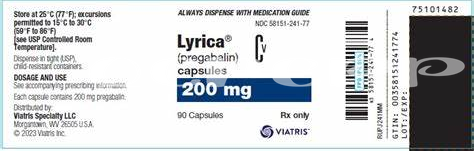
Clinicians and patients feel the kinetic contrast immediately: pregabalin is rapidly absorbed and nearly completely bioavailable, with peak levels in about an hour, whereas gabapentin uses a saturable transport system, producing slower uptake and reduced bioavailability at higher doses. These differences shape onset and predictability of effect.
Dosing schedules reflect that: pregabalin is usually prescribed twice daily with straightforward linear kinetics and predictable plasma concentrations, enabling quicker titration, while gabapentin often requires three times daily dosing and gradual escalation to avoid side effects and accommodate its nonlinear absorption profile.
Both drugs are renally excreted, so doses must be reduced in impaired kidney function; gabapentin has an ER prodrug (gabapentin enacarbil) for more stable levels and less frequent dosing, whereas pregabalin's consistent kinetics permit simpler titration schedules, although clinicians still taper both agents when discontinuing and monitoring to minimize withdrawal risks.
Approved Indications and Off-label Uses, Side-by-side
Clinicians choose therapies based on approved uses and common off-label practice: pregabalin is licensed for neuropathic pain, fibromyalgia, and as adjunctive therapy for focal seizures, while gabapentin carries approvals for postherpetic neuralgia and seizure adjunctive therapy in many regions. Real-world prescribing shows overlap—both are used off-label for generalized anxiety disorder, chronic pain syndromes, and sleep disturbance—so patient factors often guide selection.
Regulatory nuance matters: indications and reimbursement vary internationally, affecting access and cost. Evidence strength differs by condition, so shared decision-making and clear discussion of benefits, side effects, and potential for misuse are essential. Clinicians document rationale when prescribing off-label and monitor response, adjusting therapy or seeking specialist input if improvement is inadequate over time.
Efficacy and Pain Relief: Evidence Across Conditions

A patient’s first steps toward relief often begin with a choice between two similar-seeming options. Clinical trials show pregabalin tends to produce faster onset of neuropathic pain reduction and greater improvements in sleep and quality of life for diabetic neuropathy and postherpetic neuralgia, while gabapentin remains effective and cost-friendly for many patients.
Meta-analyses indicate overlapping efficacy for chronic neuropathic pain, but individual response varies—some respond better to one drug than the other. For fibromyalgia and some central pain syndromes, evidence favors pregabalin in randomized trials, yet tolerability and titration requirements influence real-world outcomes. Shared limitations include modest effect sizes and placebo responses; personalized selection, dose adjustments, and monitoring are key to maximizing benefit over time.
Side Effects, Safety, and Withdrawal Risk Differences
Clinicians often describe choosing pregabalin as balancing potent neuropathic relief against frequent sedation and dizziness; many patients report weight gain and peripheral edema, while older adults face falls from gait instability. Cognitive slowing and blurred vision can affect daily tasks, and the sedative profile increases risk when combined with opioids or alcohol. Mild euphoria and rare misuse are reported, so clinicians monitor and counsel patients with prior substance use or dependence risk.
Withdrawal can be abrupt for both agents, but pregabalin's shorter half-life may produce quicker onset of discontinuation symptoms, such as anxiety, insomnia and sweating, prompting gradual tapering. Monitoring renal function, counseling on dose adjustment and advising against sudden cessation help mitigate risks; individualized plans and patient education improve safety. Careful taper schedules over weeks, tailored to dose and renal function, usually reduce severity and duration of withdrawal symptoms.
| Drug | Notable risk |
|---|---|
| Pregabalin | Dependence/withdrawal |
Cost, Accessibility, and Prescribing Considerations Worldwide
Patients and systems often feel the financial divide between the two medicines: gabapentin’s long generic history usually makes it substantially cheaper and more widely stocked, while pregabalin has tended to command higher prices and formulary restrictions—though generic pregabalin is becoming more common. Insurance coverage, national reimbursement policies, and local procurement determine which option clinicians reach for, and those constraints shape real-world use more than efficacy data alone.
Prescribers must also navigate variable regulation and safety monitoring: pregabalin is controlled in many jurisdictions because of abuse reports, and some areas now monitor gabapentin similarly. Renal impairment, dose titration, and drug interactions further influence choice, so clinicians balance regulation, patient risk factors, and local availability when deciding.