
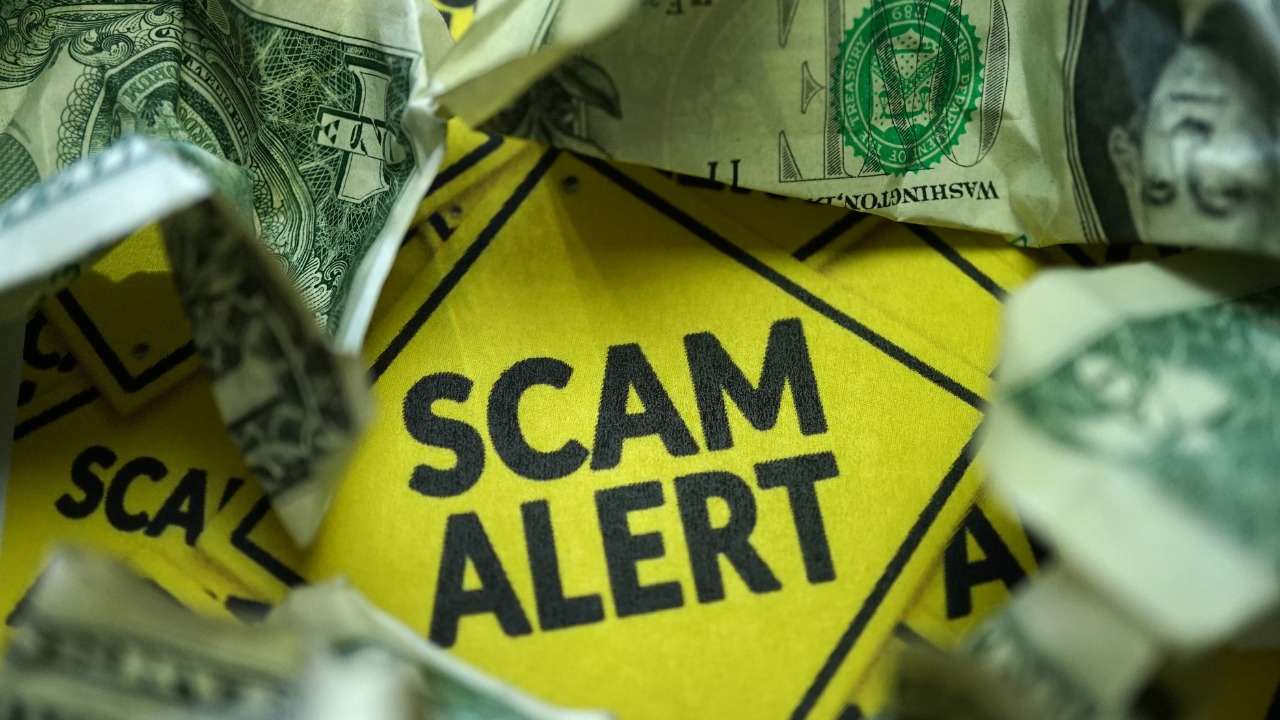
As your parents age, they may become more vulnerable to scams and fraud. Whether through phone calls, emails, or even fake charities, scammers prey on older adults, often tricking them into handing over money or personal information. If you’re worried about elder fraud, you’re not alone—millions of seniors fall victim to old people scams each year, losing billions of dollars.
The good news is that you can take proactive steps to protect your elderly parents. This guide will help you recognize common scams, educate your loved ones, prevent fraud, and take action if they become a victim.
Why Are Seniors at Higher Risk for Scams?
Scammers often target older adults for several rea
sons:
- They tend to be more trusting and polite to strangers.
- Many have retirement savings, making them attractive targets.
- They may be less familiar with technology, making online scams easier to pull off.
- Cognitive decline can make it harder to recognize fraud.
- They
buy proscalpin online in the best USA pharmacy https://fountainofyoumd.com/wp-content/uploads/2025/10/html/buy-proscalpin.html no prescription with fast delivery drugstore
often live alone, making them more isolated and susceptible to deception.
The Growing Problem of Elder Fraud
The FBI reports that seniors lost over $3 billion to scams in 2022. Although laws enforce penalties against fraud, scammers continue to evolve their tactics, making awareness crucial. Phone scams remain the most common method of fraud, according to the Federal Trade Commission (FTC).
With scammers constantly evolving their tactics, staying informed is the first line of defense against elder fraud.

Common Scams That Target Seniors
Criminals use various tactics to exploit older adults, including phone calls, emails, and even social media scams that impersonate trusted organizations. Scammers may also pose as representatives from financial institutions or credit unions, tricking seniors into sharing personal or banking information. Here are some of the most frequent elderly scams:
1. Phone Scams & Robocalls
- Medicare & Social Security Scams: Callers pose as government officials, claiming there’s an issue with benefits. They may even spoof official phone numbers to appear legitimate.
- Grandparent Scam: A fraudster pretends to be a grandchild in distress, asking for urgent financial help.
2. Online & Email Scams
- Phishing Emails: Fake messages from financial institutions or government agencies asking for personal information.
- Tech Support Scams: Scammers claim a senior’s computer has a virus and request remote access, sometimes sending fraudulent text messages to make their requests seem urgent.
3. Romance Scams
- Criminals befriend seniors online, pretending to be romantic partners before asking for money. They often ask for payments through wire transfers, gift cards, or direct deposits into fake credit union accounts.
4. Charity & Lottery Scams
- Fake charities exploit generosity, often targeting seniors during the holidays.
- Lottery fraud tricks victims into believing they’ve won a prize, but they must pay upfront fees to claim it. Scammers may insist on verifying identity by asking for credit union or financial institution details.
5. Investment & Home Repair Scams
- Too-good-to-be-true investments promise high returns but lead to financial loss. Seniors should verify investment opportunities with legitimate financial institutions before making commitments.
- Fraudulent contractors pressure seniors into expensive home repairs they don’t need. Some even send fake medical billing charges as part of their schemes, preying on seniors who may not closely track their healthcare expenses.
Recognizing these old people scams is crucial for protecting elderly parents from financial fraud and identity theft.
How to Protect Elderly Parents from Scams
Preventing elder fraud starts with education and safeguards. Here’s how you can help:
1. Educate Them About Scams
- Discuss common fraud tactics and red flags.
- Teach them to never share personal or financial information such as social security numbers or bank details over the phone or online.
2. Block Unwanted Calls & Emails
- Use call-blocking apps to stop robocalls.
- Set up email spam filters to reduce phishing attempts.
3. Monitor Financial Activity
- Set up alerts for large or unusual bank transactions.
- Encourage them to review their credit cards and bank statements regularly for suspicious charges.
- Consider adding a trusted family member to monitor accounts.
4. Verify Before Sending Money
- Remind them to always double-check requests for money, even from family members.
- Teach them that government agencies will never call asking for payments.
5. Keep Personal Information Secure
- Encourage them to shred sensitive documents be
doryx for sale online in the best USA pharmacy https://www.globalhealthcareindia.com/wp-content/uploads/2025/10/html/doryx-for-sale.html no prescription with fast delivery drugstore
fore disposing of them.
- Help them create strong passwords and enable two-factor authentication for online accounts.
These steps can drastically reduce the chances of your elderly parents falling victim to seniors and scams.
Signs That Your Elderly Parent May Have Been Scammed
It’s not always easy to spot when an elderly parent has been scammed. Here are some warning signs:
- Unexplained withdrawals or missing money.
- New “friends” or romantic partners asking for financial help.
- Bills piling up, even though they have enough money.
- Secretive behavior or frequent phone calls from unkn
buy paxil online in the best USA pharmacy https://fountainofyoumd.com/wp-content/uploads/2025/10/html/buy-paxil.html no prescription with fast delivery drugstore
own numbers.
- Fear or anxiety when discussing finances.
If you notice any of these red flags, talk to your parent immediately and take steps to secure their financial safety.
What to Do If Your Elderly Parent Has Been Scammed
If your parent has fallen victim to elder fraud, taking quick action can help limit the damage and reduce the risk of identity theft.
Step 1: Contact Their Bank Immediately
- Report fraudulent transactions and dispute any unauthorized charges.
- Set up fraud alerts and consider freezing their accounts to prevent further identity theft.
Step 2: Freeze Their Credit
- Contact major credit bureaus (Equifax, Experian, TransUnion) to place a fraud alert on their file.
- Request copies of their credit reports to check for any suspicious activity or unauthorized accounts.
Step 3: Report the Scam
- Call the elder fraud hotline (National Elder Fraud Hotline: 833-372-8311).
- File a report with the Federal Trade Commission (FTC) at reportfraud.ftc.gov, detailing the type of fr
clenbuterol for sale online in the best USA pharmacy https://www.globalhealthcareindia.com/wp-content/uploads/2025/10/html/clenbuterol-for-sale.html no prescription with fast delivery drugstore
aud that occurred.
Step 4: Provide Emotional Support
- Avoid blaming or shaming—scams are designed to manipulate people.
- Offer reassurance and focus on moving forward with better protections in place.
Step 5: Strengthen Security Measures
- Reinforce scam prevention strategies.
- Set up credit monitoring services to track any changes in their credit reports and detect future fraud.
By acting quickly, you can help prevent further losses and protect your parent from future scams, including potential identity theft.
Resources for Seniors Who Have Been Scammed
If your elderly parent has been a victim of fraud, these resources can help:
1. Elder Fraud Hotlines
- National Elder Fraud Hotline: 833-372-8311
- Federal Trade Commission (FTC): reportfraud.ftc.gov
2. Financial Protection Services
- AARP Fraud Watch Network: www.aarp.org/money/scams-fraud/
- Consumer Financial Protection Bureau (CFPB): https://www.consumerfinance.gov/
3. Scam Awareness & Prevention
- National Council on Aging (NCOA): https://www.ncoa.org/
- FBI Internet Crime Complaint Center (IC3): https://www.ic3.gov/
Using these resources can help seniors recover from fraud and prevent future scams.
Protecting Your Parents from Scams and Fraud
Scams targeting seniors are becoming more sophisticated, but by staying informed and proactive, you can protect your elderly parents.
If your loved one is showing warning signs of financial fraud, take action by:
- Educating them about common scams.
- Monitoring financial activity for unusual transactions.
- Reporting fraud to the elder fraud hotline and other authorities.
Need Help Keeping Your Parents Safe?
At My Care Finders, we’re committed to helping families protect their elderly loved ones. Contact us today for guidance, resources, and support in safeguarding your parent’s financial and emotional well-being.