Planning for the future means finding a living arrangement that can grow with changing needs. Many Florida families exploring senior living options near me come across Continuing Care Retirement Communities (CCRCs)—campus-style communities designed to offer a full senior living continuum of care in one location.
If you’ve ever asked, “what is a continuing care retirement community?”, this guide explains how CCRCs work, the benefits of CCRC senior living, what they cost, who they’re best for, and how to choose a continuing care retirement community that fits your goals.
Understanding What a Continuing Care Retirement Community Is
A Continuing Care Retirement Community (CCRC), sometimes called a life-care community, combines independent living, assisted living, and skilled nursing care in one campus. Residents age in place as their needs change, moving smoothly between levels of care in CCRCs without leaving the community they know.
In Florida, these communities are often referred to as continuing care retirement community Florida campuses, offering seniors flexible living arrangements and long-term peace of mind.
Example: A couple may begin in an independent living apartment (maintenance-free living and amenities), shift to assisted living when help with personal care is needed, and later access skilled nursing or long-term care — all on the same campus, supported by coordinated healthcare services for seniors.
This model is one of the most comprehensive senior housing options in Florida, giving older adults and families a dependable plan for every stage of aging.
How CCRCs Provide a Continuum of Care
A Continuing Care Retirement Community (CCRC) is unique because it offers a continuum of care — meaning residents can live independently when they first move in, and then transition into a higher level of care only when they need it.
This seamless structure allows seniors to remain in the same care facility surrounded by familiar staff, friends, and routines, even as their health needs evolve.
Rather than relocating to different communities as care requirements change, residents experience continuity, stability, and peace of mind. That’s what makes CCRCs one of the most comprehensive and secure senior housing options in Florida.
Here’s how the types of continuing care retirement communities typically provide these levels of care:
Independent Living
In this first stage, residents enjoy freedom and flexibility with minimal care needs. Independent living residents benefit from private apartments or cottages, dining plans, and resort-style amenities, all within a community that supports healthy, social, and active living.
Typical Independent Living services include:
- Housekeeping and home maintenance
- Meal plans or restaurant-style dining
- Fitness centers, pools, and walking trails
- Transportation to appointments and shopping
- Planned social activities, outings, and educational programs
Independent living is ideal for active adults who want to downsize and focus on wellness, friendships, and convenience, without the daily burdens of homeownership.
If their needs change later, they can easily transition to assisted living services on the same campus, without the stress of moving again. You can learn more about the Signs It’s Time to Move from Independent to Assisted Living.
This stage emphasizes independence while offering the reassurance of future care when needed.
Assisted Living
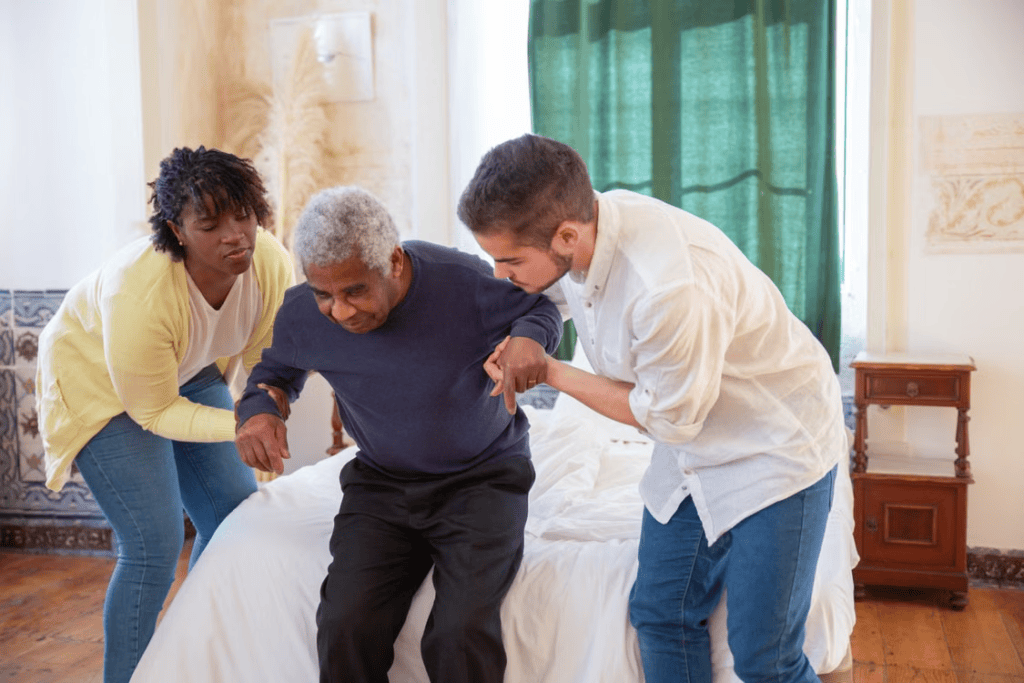
When a resident begins to need help with activities of daily living (ADLs), such as bathing, dressing, mobility, or medication reminders, they can move into an assisted living facility located within the same continuing care retirement community Florida campus.
Here, they receive personalized care plans designed to maintain dignity, comfort, and safety while encouraging independence.
Typical assisted living services include:
- Assistance with ADLs and personal care
- Medication management
- Daily meals and nutrition monitoring
- Engaging social activities and group programs
- Scheduled transportation and laundry service
- 24-hour support staff
Families appreciate that assisted living within a CCRC offers consistent health care services and support from familiar caregivers. Residents can enjoy peace of mind knowing that any future higher level of care is just a few steps away, not a major life disruption.
This stage bridges independence with supportive care, promoting emotional and physical well-being.
If a resident’s condition progresses or they need recovery after surgery, illness, or hospitalization, they can transition to the skilled nursing and long-term care section of the CCRC.
Learn more here: When to Move from Assisted Living to a Nursing Home: Guide
Skilled Nursing & Long-Term Care
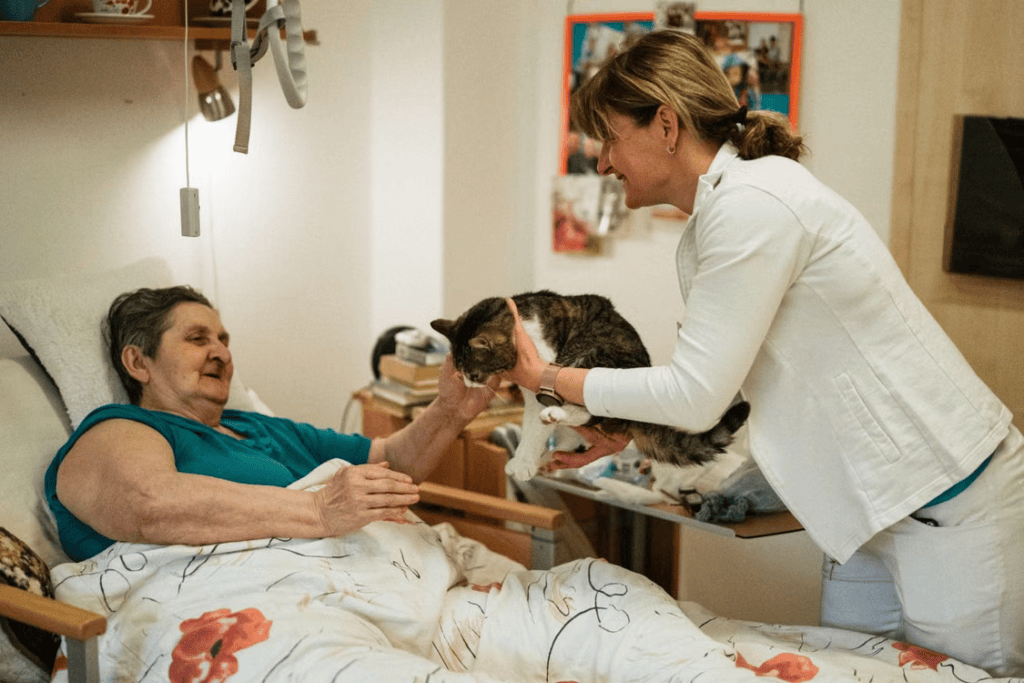
This area functions much like a medical care facility, offering 24/7 professional supervision, rehabilitation, and nursing oversight. It’s designed for individuals who require more intensive care — whether short-term rehabilitation or permanent higher levels of care.
Typical services include:
- Skilled nursing care from licensed professionals
- Physical, occupational, and speech therapy
- Wound care, IV therapy, and pain management
- Support for chronic illnesses or mobility challenges
- Personalized care plans coordinated by nurses and physicians
For many families, this structure eliminates the need to search for new facilities or endure the stress of multiple moves. The transition between independent living, assisted living, and skilled nursing is handled smoothly, with continuity of records, staff, and environment.
Residents never have to start over; their support network stays consistent throughout their journey.
Financial Continuity and Additional Care Costs
Because CCRCs integrate multiple levels of care under one campus, they also simplify financial planning. Residents typically pay monthly costs that include housing, meals, utilities, transportation, and access to amenities.
However, when residents move into higher levels of care, there may be additional costs depending on the contract type and the amount of care required.
Many families offset these expenses through long term care insurance, veterans’ benefits, or other financial tools. This coverage can help cover the cost of nursing or rehabilitation services while preserving family savings.
Having predictable monthly fees and flexible care options makes CCRCs a practical choice for those who want financial stability and security as they age.
Why the Continuum of Care Matters
The ability to stay in one community as needs evolve means residents receive comprehensive health care services without the emotional strain of relocation.
This model supports true aging in place, combining independent living, supportive care, and medical oversight all in one environment.
Whether you start as an active senior in independent living or need nursing care later in life, CCRCs ensure the same familiar environment, friends, and staff are by your side every step of the way.
In short, the continuum of care model empowers seniors to live independently for as long as possible, with compassionate, professional support available whenever it’s needed.
How to Choose a Continuing Care Retirement Community
Use this checklist to compare options and choose a continuing care retirement community with confidence:

Need Help Finding the Right Senior Living Community?
At My Care Finders, we help Florida families explore Continuing Care Retirement Communities (CCRCs) and other types of senior living, including assisted living, memory care, and independent living — all at no cost to you.
Our experienced Senior Care Advisors will guide you through your options, compare communities, and help you find the perfect fit for your loved one’s needs, lifestyle, and budget.
Contact My Care Finders today to start your search with expert, compassionate support, because peace of mind for your family should always be free.