Living in a senior apartment within an independent living community offers a balanced lifestyle with social opportunities and personal autonomy. However, seniors and their families often worry about preserving privacy.
Understanding and advocating for your privacy rights is essential for a dignified and fulfilling life in such a setting. As Michael K. McChrystal said, “The right to privacy does not diminish with age. It becomes even more important and vulnerable.”
Legal and Ethical Foundations of Privacy
Federal and state laws ensure privacy in independent living communities, upholding the privacy rights in senior living. These laws aim to protect both the personal and data privacy of residents. These laws ensure residents have rights like those in private homes, protecting against unauthorized entry and misuse of personal information. This legal framework is critical for maintaining the dignity and autonomy of senior residents.
Key Aspects of Privacy in a Senior Living Communities
Physical Privacy: Senior living apartments are designed with features that promote physical privacy. This includes soundproof walls, private entrances, and sometimes private balconies or patios. These features ensure residents feel secure in their personal spaces.
Confidentiality of Personal and Medical Information: Senior living communities, like medical facilities, must comply with laws such as HIPAA. These laws protect the confidentiality of residents’ health and financial information. Staff handle information with the utmost confidentiality. They disclose it only with appropriate consent or when legally required.
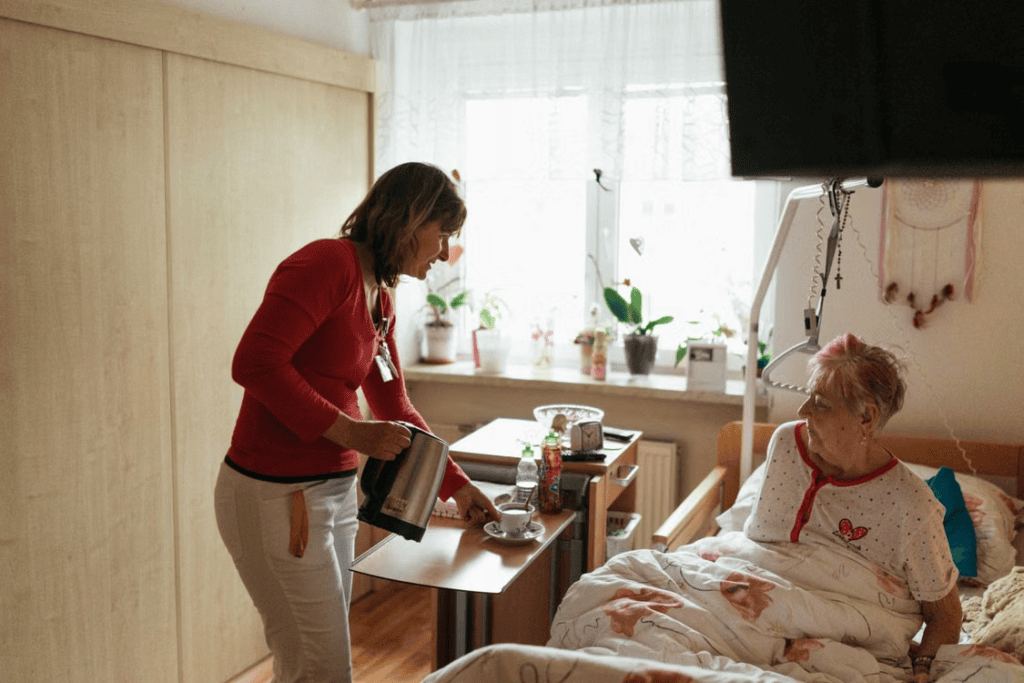
Staff Access to Apartments: Policies in independent living communities regulate staff access to resident apartments. Staff enter only during emergencies, scheduled maintenance, or with the resident’s invitation. This ensures they always respect the residents’ privacy.
Participation in Community Activities: Engagement in community activities is entirely voluntary. Independent living communities respect residents’ choices in social activities. This respect ensures their privacy rights are maintained.
Technological Enhancements for Privacy: Modern independent living communities employ advanced technologies to enhance privacy without compromising safety. Security systems usually have cameras at entrances and common areas, with clear disclosures about their locations and purposes. They also use electronic keycards or codes for apartment access. These measures prevent unauthorized entry while allowing residents to feel secure.
Addressing Privacy Concerns
Independent living communities are committed to addressing any privacy concerns promptly and effectively. They have clear procedures for residents to report and resolve privacy issues, ensuring respectful and urgent management of concerns.
Community Engagement and Respect for Privacy
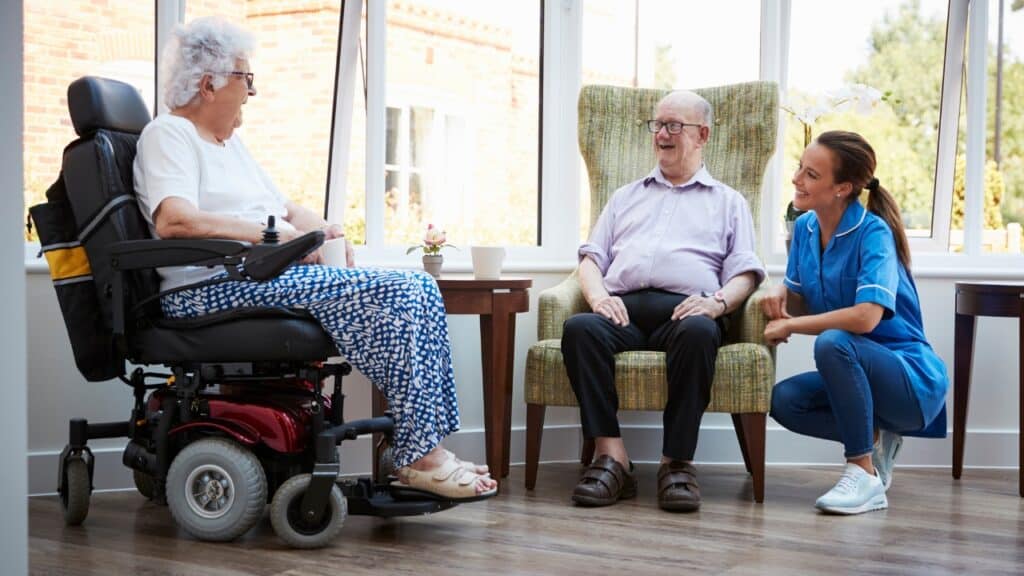
While these communities encourage a vibrant social scene, they also respect the need for personal space. Social areas are distinct from living quarters, allowing residents to choose their level of social engagement without pressure. This balance is crucial for maintaining a community that respects individual privacy while fostering social interaction.
Legal Protections and Resident Rights
Residents in independent living communities have their privacy rights protected by key U.S. laws and regulations. Some laws specifically ensure the privacy of personal and health information, while others provide broader protections.
Health Insurance Portability and Accountability Act (HIPAA): This law protects the privacy of individuals’ medical records and personal health information. It applies to healthcare providers, health plans, and health clearinghouses. HIPAA ensures that residents’ health information remains confidential. It prevents the disclosure of health information without the resident’s consent.
Gramm-Leach-Bliley Act (GLBA): Often associated with financial institutions, this act also applies to any entity that offers financial products or services to individuals, like payment plans for care in senior living communities. It mandates that these institutions protect the confidentiality and security of consumer information.
Electronic Communications Privacy Act (ECPA): This act includes the Stored Communications Act, which protects privacy in electronic communications. The ECPA prohibits unauthorized interception of electronic communications and sets forth requirements for access, use, disclosure, interception, and privacy protections of electronic communications.
Video Voyeurism Prevention Act: This act addresses privacy regarding surveillance and recording. It prohibits recording images or videos of private areas without consent when individuals expect privacy.
Guardianship and Privacy
In cases where guardianship is involved, the balance between necessary oversight and respect for privacy is crucial. Guardians are granted access to personal information to make informed decisions regarding the ward’s care but must also respect the ward’s privacy as much as possible.
Practical Tips for Residents and Families

To ensure privacy in senior living communities, residents and their families can take several proactive steps:
- Understand Your Rights: Familiarize yourself with the laws and policies that protect your privacy. Knowing your rights is the first step in advocating for them.
- Communicate Clearly: Establish open lines of communication with community staff. Clearly express your preferences regarding privacy and confidentiality.
- Stay Informed About Technology: Embrace the technological tools offered by the community to enhance your privacy and security. Learn how to use these tools effectively.
- Regularly Review Policies: Periodically review the community’s privacy policies and procedures. Stay updated on any changes that may affect your privacy.
Conclusion
Understanding privacy rights in senior living as a resident in one of a senior living apartments is crucial for maintaining a dignified and autonomous lifestyle. Understanding your privacy rights as a resident in a senior living apartment is essential for maintaining a dignified and autonomous lifestyle. Independent living communities strive to balance social opportunities with the need for privacy, supported by robust legal frameworks and community policies. By being informed and proactive about your privacy rights, you can ensure a fulfilling and respectful living experience in your chosen community.
My Care Finders provides essential guidance for families seeking senior care communities committed to privacy and dignity. Our advisors deeply understand each facility’s privacy policies and practices, ensuring they meet strict standards for protecting resident confidentiality and respect. We evaluate how personal information is managed, the personal space afforded to residents, and staff adherence to these standards. Additionally, our team visits facilities to observe privacy policy implementation firsthand, offering families detailed insights to aid in choosing the right senior care option. This comprehensive approach ensures the chosen community not only meets care needs but also upholds the dignity of your loved ones.