Moving into a senior living community changes much more than a person’s address. A familiar home, neighborhood, routines, and social connections may all be replaced by a new environment with different schedules, people, and expectations. Even when the move is the right decision, adjusting to those changes can take time.
The first month is often a period of observation and adaptation. Understanding senior living adjustment can help families recognize what is normal, identify concerns that may require attention, and provide support without creating unnecessary pressure.
The First Few Days May Feel Unfamiliar
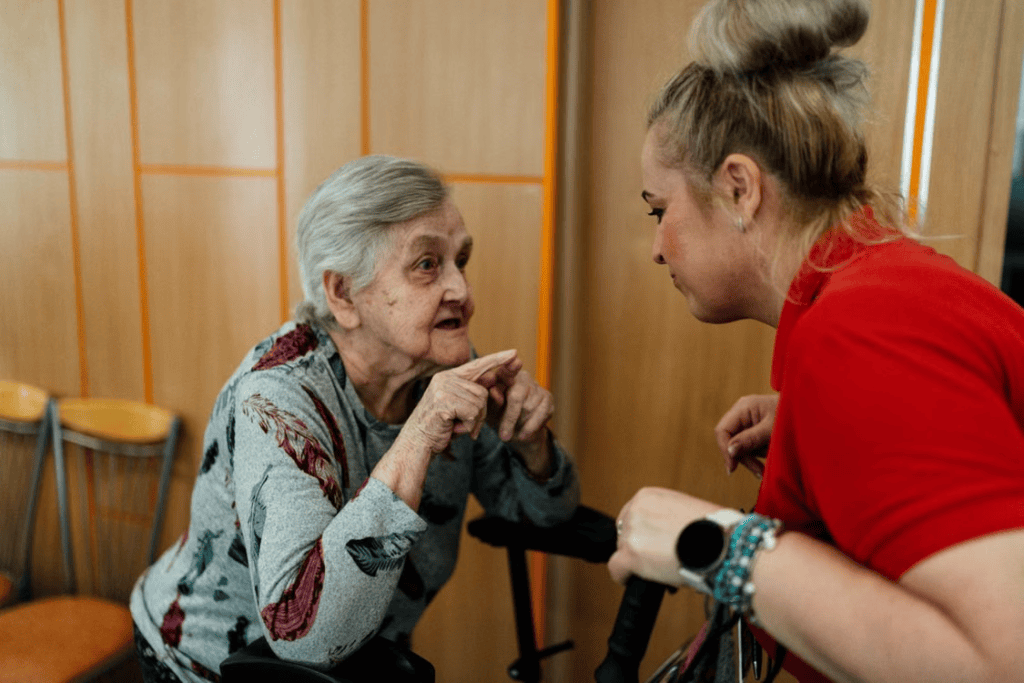
Immediately after moving, a senior may feel tired, uncertain, or overwhelmed. There are new faces to remember, unfamiliar hallways to navigate, and routines to learn. Some residents adapt quickly, while others need considerably more time. A parent who appears withdrawn during the first few days does not necessarily dislike the community. They may simply be processing a major change. Families can help by keeping the first few days relatively calm rather than scheduling too many activities or visitors.
Establishing a New Routine Takes Time
Familiar routines provide a sense of predictability. After moving, even simple activities such as meals, medication times, exercise, and socializing may happen differently. Encouraging a parent to establish a manageable daily routine can make the environment feel more familiar. This might include eating meals at consistent times, attending one preferred activity, taking a regular walk, or maintaining a familiar bedtime routine. The objective is not to participate in everything immediately. A comfortable routine can develop gradually.
Social Connections Usually Develop Gradually
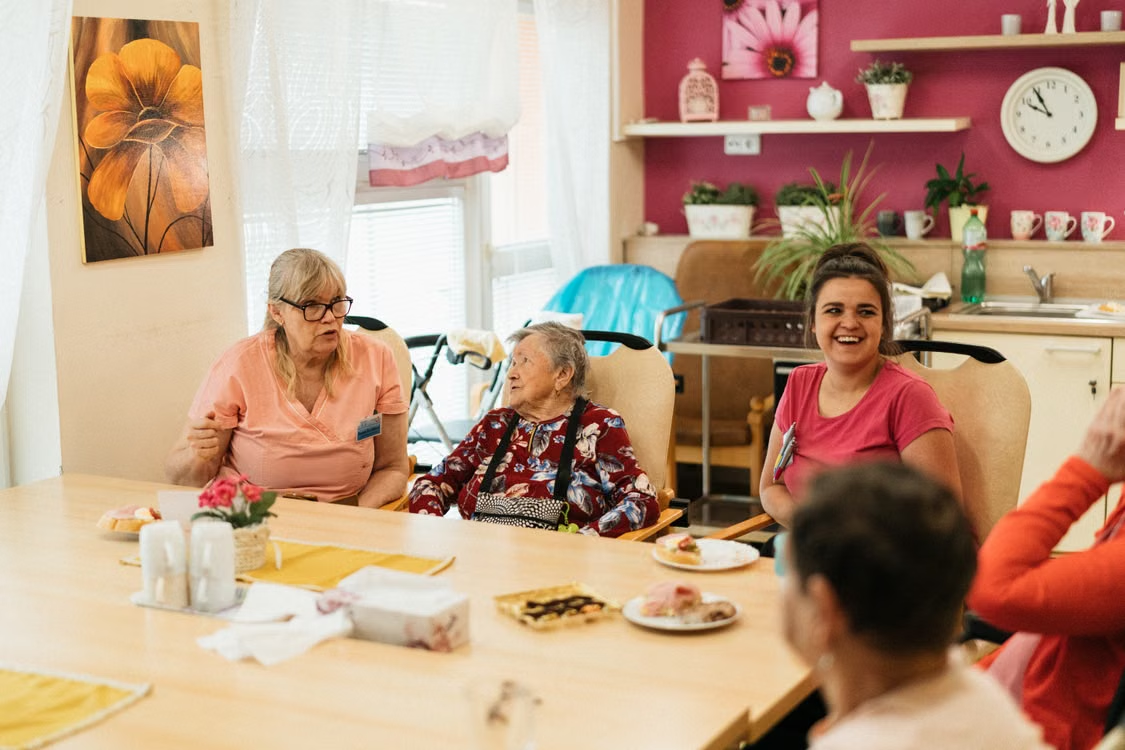
One of the biggest concerns families have is whether their parents will make friends. Some seniors naturally begin conversations and participate in group activities. Others prefer to observe before becoming involved. Personality, hearing ability, mobility, previous social habits, and cognitive health can all affect how quickly someone connects with other residents.
Families should avoid interpreting limited social activity during the first week as a permanent problem. A resident may need several weeks to identify people with similar interests and become comfortable joining conversations.
Activities Can Provide an Entry Point
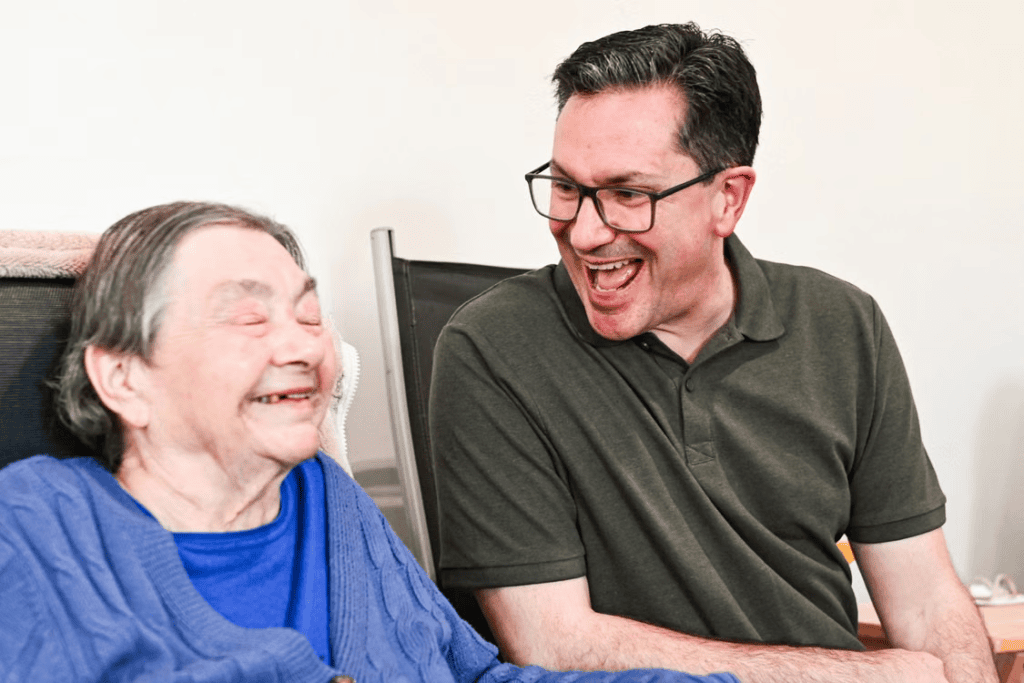
Activities can make social interaction easier because they give residents something specific to do together. Instead of expecting a parent to immediately form friendships, families can encourage them to try one or two activities that match existing interests. Someone who enjoys music might attend a music program, while a person who enjoys cards could try a game group. Small interactions can gradually become familiar relationships.
Familiar Items Can Make the Space Feel Like Home
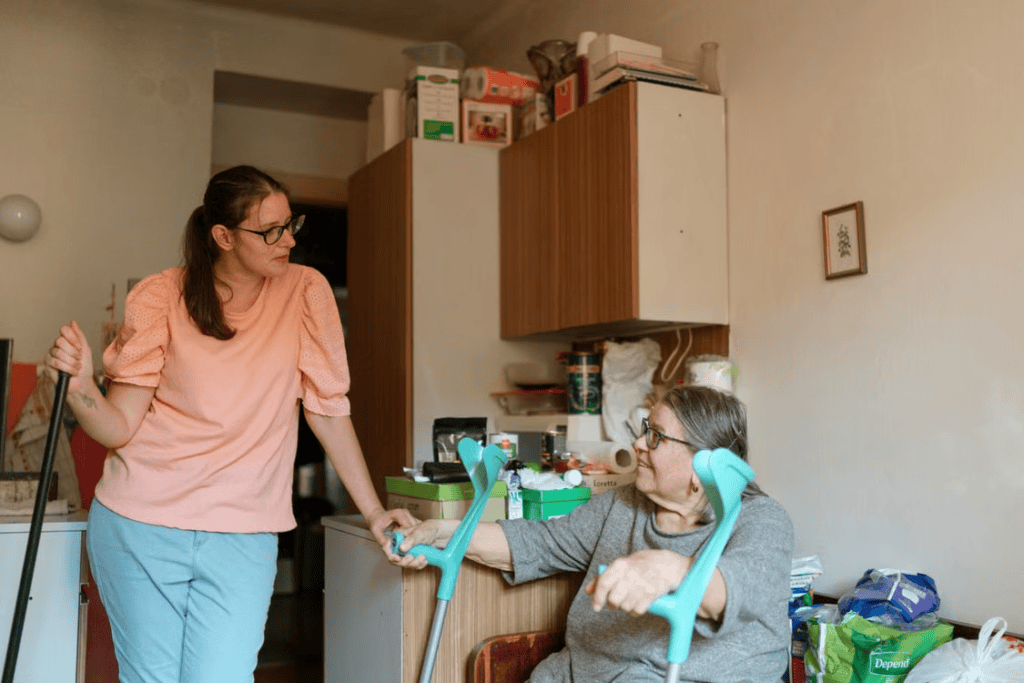
A new apartment can initially feel impersonal. Bringing familiar photographs, artwork, books, blankets, furniture, or other meaningful belongings can help create continuity between the previous home and the new environment. The goal isn’t to recreate the entire old home. A few recognizable items can make the new space feel more personal and comfortable.
My Care Finders supports families not only while selecting a community but also as they consider whether a setting fits their loved one’s needs. Our guidance is completely free for families, allowing them to receive professional assistance without an additional placement fee. We offer Senior Care Advisory Service Sarasota solutions throughout the decision-making process and can help families in Florida explore Memory Care Placement Sarasota when cognitive needs are involved.
Contact us to learn more about senior living adjustment.