
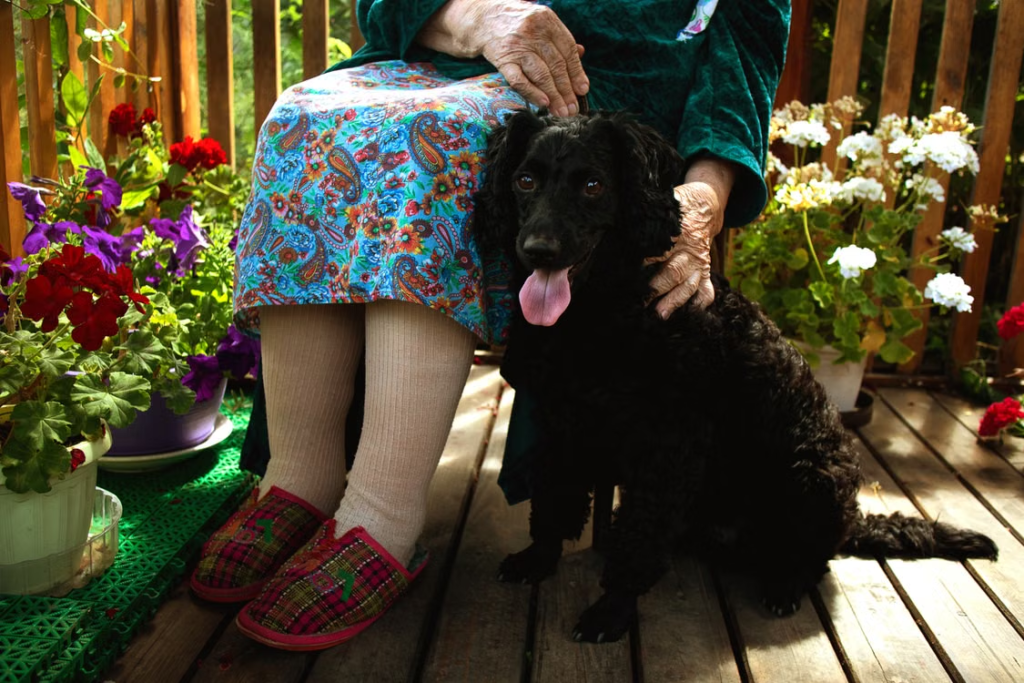
For many older adults, a pet is far more than a companion. A dog that greets them every morning or a cat that curls up beside them at night can provide comfort, familiarity, and a sense of routine. When considering a move into a senior living community, the possibility of leaving that companion behind can make an already difficult decision even harder.
Pet-friendly senior living offers a way for some older adults to maintain this important relationship while receiving the support they need. However, not every community welcomes pets under the same conditions. Understanding individual policies before scheduling tours can help families identify realistic options and avoid unnecessary disappointment.
Why Keeping a Pet Matters
Pets can provide companionship and encourage daily activity, particularly for seniors who enjoy walking a dog, grooming a cat, or simply having an animal nearby. Caring for a familiar pet may also help preserve established routines during a major life transition.
However, families should consider whether the senior can continue meeting the animal’s needs. Feeding, exercise, grooming, veterinary appointments, and medication may become difficult when mobility or health changes. Planning for these responsibilities helps protect both the older adult’s well-being and the pet’s quality of life.
What to Check in a Community’s Pet Policy
A community advertising itself as pet-friendly may still have restrictions. Before making a decision, ask about the following:
- Permitted animals: Some communities accept cats and small dogs but restrict other animals or breeds.
- Size and weight limits:Properties may impose specific requirements for dogs or other pets.
- Fees and deposits: Ask about pet deposits, monthly charges, and any additional costs.
- Living arrangements: Confirm whether pets are allowed in private apartments, shared spaces, outdoor areas, and dining facilities.
- Care responsibilities: Find out who must walk, feed, clean up after, and arrange veterinary care for the animal.
- Backup arrangements: Ask what happens if the resident becomes temporarily or permanently unable to care for the pet.
Request the complete policy in writing rather than relying solely on a general statement that pets are welcome. Rules can differ between communities and even between living arrangements within the same property.
Plan for the Pet’s Future, Too
Even in a pet-friendly community, circumstances can change. Families should discuss who could care for the animal if the senior is hospitalized, needs additional support, or can no longer manage daily pet care. Identifying a trusted relative, friend, or suitable pet-care service in advance can provide reassurance.
Moving does not have to mean automatically giving up a beloved companion. By checking policies early, considering practical responsibilities, and comparing suitable communities, families can make a more informed decision about a living arrangement that supports the senior’s needs and relationship with their pet.
At My Care Finders, we help families explore pet-friendly senior living options that reflect their loved one’s care needs, preferences, and lifestyle. Our senior living advisors help families in Sarasota and Bradenton, FL, identify questions to ask when comparing community pet policies and living arrangements. Through our senior living placement services, we help families explore communities that may suit their circumstances. We also provide assisted living placement services and independent living placement guidance when comparing different levels of support. Our placement and advisory services are completely free to families.
Contact us now.