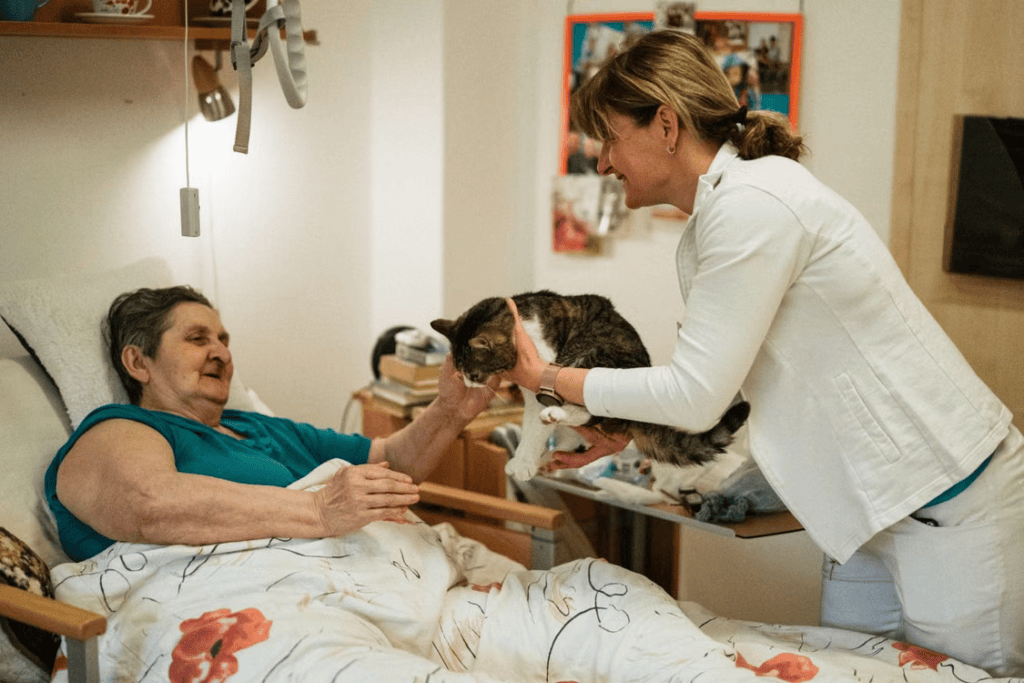
Choosing a senior living community involves more than comparing apartment sizes, locations, and monthly fees. The daily routine can have an equally important influence on whether a community feels comfortable and appropriate for a resident. Senior living routines vary according to the level of independence, care needs, and structure provided. Independent living generally offers the greatest flexibility, assisted living adds support with everyday tasks, and memory care typically follows a more structured schedule designed around cognitive and safety needs.
Understanding these differences can help families evaluate communities based on what daily life will actually look like.
Independent Living: Flexibility and Personal Choice
Independent living is generally designed for older adults who can manage their personal care without regular assistance but prefer the convenience and social opportunities of a senior community. Residents typically have considerable control over their schedules. They may choose when to eat, participate in activities, exercise, socialize, or spend time in their own apartment.
A typical day might include breakfast in a communal dining area, a fitness class or hobby activity, time with friends, an outing, and an evening event. Transportation services may also make it easier to attend appointments or run errands without driving. The emphasis is usually on convenience, social engagement, and maintaining an independent lifestyle rather than providing hands-on daily care.

Assisted Living: Structure With Personalized Support
Assisted living provides a different balance between independence and assistance. Residents may still choose how they spend much of their day, but staff is available to help with activities such as bathing, dressing, medication management, mobility, or other personal tasks depending on the individual’s care plan. Meals are commonly scheduled at set times, while activities may include exercise programs, games, arts and crafts, educational sessions, entertainment, and group outings.
The schedule provides opportunities for routine without necessarily dictating every part of the resident’s day. This can be particularly helpful for seniors who want to remain active but need assistance with certain tasks.
Memory Care: Predictable and Structured
Memory care communities generally provide the most structured daily environment of the three. Residents living with Alzheimer’s disease or other forms of dementia may benefit from predictable routines because frequent changes can sometimes cause confusion or anxiety.
A typical schedule may include meals at consistent times, personal care, supervised activities, exercise, rest periods, and opportunities for social interaction. Activities are often selected according to residents’ cognitive abilities and may include music, familiar games, crafts, reminiscence activities, or simple household tasks. Staff also provide closer supervision and assistance with daily activities, depending on individual needs.
At My Care Finders, our Senior Care Advisor Sarasota help families in Florida compare senior living environments based on how each community actually supports daily life. Our placement guidance is provided completely free to families, allowing loved ones to explore appropriate options without an additional service fee. Families considering a transition can also receive our help in finding assisted living or exploring other care settings according to their loved one’s needs, preferences, and desired daily routine.
Get in touch with our senior placement agency now.