
When an older adult begins needing more help with daily activities, families often face a difficult question: Is it better to remain at home with additional support or move into a senior living community? Both options can offer meaningful benefits, but their suitability depends on the senior’s health, finances, preferences, home environment, and available family support.
Understanding aging in place vs. senior living requires looking beyond the immediate cost or emotional appeal of staying home. Families also need to consider safety, caregiving responsibilities, social interaction, and whether the arrangement can continue to meet changing needs.
1. Comparing the Total Cost of Each Option
Aging in place may initially appear less expensive because the senior continues living in a familiar home. However, the actual cost depends on the support required to remain there safely.
Expenses may include in-home caregivers, housekeeping, meal preparation, transportation, home modifications, mobility equipment, and routine home maintenance. If the senior needs assistance for many hours each day, paid caregiving costs can accumulate substantially.
Senior living communities typically charge according to the setting, location, accommodation, and level of care. Some fees cover meals, housekeeping, activities, and certain services, while personal care or specialized assistance may cost extra.
Families should compare the complete monthly cost of each arrangement rather than looking only at rent or a community’s advertised rate. They should also consider which expenses are predictable and which may increase as the senior’s needs change.
2. Safety and the Suitability of the Home
Remaining at home can preserve familiarity, but the property must be suitable for the senior’s current abilities. Stairs, slippery bathrooms, narrow hallways, poor lighting, and difficult entrances may create challenges for someone experiencing mobility changes. Home modifications, such as grab bars, improved lighting, ramps, and accessible bathing facilities, can reduce certain hazards. However, modifications cannot eliminate every risk.
Families must also consider what happens when the senior is alone. Someone who experiences frequent falls, confusion, or difficulty responding to emergencies may need more supervision than the household can reliably provide. Senior living communities may offer accessible layouts, staff assistance, and emergency response procedures. Nevertheless, safety varies by community, staffing, and the services available. Families should verify how assistance is delivered rather than assuming that every community can meet every care requirement.

3. Independence, Privacy, and Daily Routines
For many seniors, staying home means maintaining control over familiar routines. They can choose when to eat, receive visitors, pursue hobbies, and spend time in their preferred surroundings. This familiarity may be especially important to someone who values privacy and has strong connections to their neighborhood.
Senior living involves adjustments. Residents may have community schedules, shared spaces, dining arrangements, and rules that differ from their previous routines. Some people appreciate having meals and activities available without managing everything themselves, while others need time to adapt.
Independence, however, does not depend entirely on where someone lives. A senior receiving appropriate support at home may have difficulty managing daily tasks, while a resident in a suitable community may gain more freedom by no longer handling household responsibilities alone. The relevant question is which arrangement allows the senior to retain the greatest practical independence without compromising essential support.
4. Family Caregiver Responsibilities
Aging in place can work well when family members and professional caregivers can provide the necessary assistance consistently. However, family involvement may gradually expand to include appointments, shopping, medication reminders, meals, personal care, and overnight supervision.
These responsibilities can affect employment, finances, sleep, relationships, and the caregiver’s own health. Even families who are committed to providing support may eventually find that the arrangement requires more time than they can reasonably offer.
Senior living can reduce some of this burden by providing designated services and assistance within the community. It does not remove the family’s role, but it may change that role from managing every daily requirement to maintaining relationships, participating in decisions, and monitoring whether the arrangement remains appropriate. Families should assess what they can realistically sustain rather than basing a long-term plan on temporary availability or an expectation that one relative will manage everything.
5. Social Connection and Emotional Well-Being
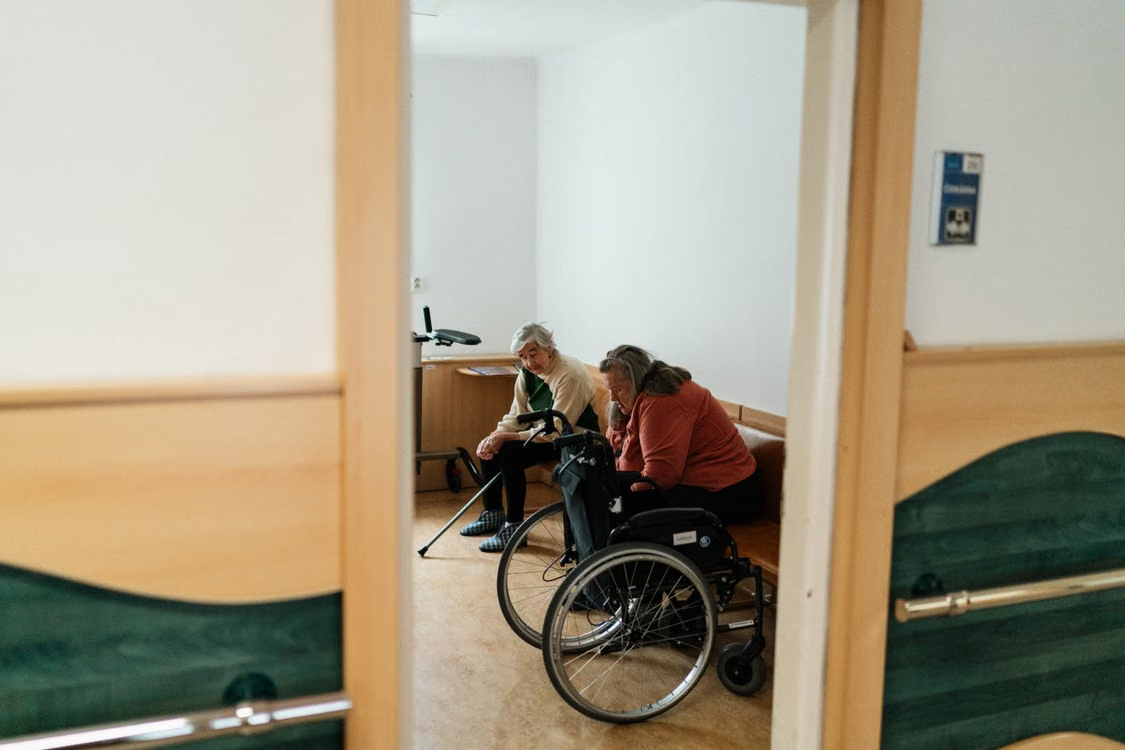
Home can offer comfort, familiarity, and close neighborhood connections. However, seniors who live alone or have limited mobility may find it increasingly difficult to maintain friendships and participate in social activities. In-home support can help with transportation and daily routines, but companionship and social opportunities depend on the services arranged and the senior’s existing network.
Senior living communities may offer organized activities, shared meals, common areas, and opportunities to interact with other residents. These features can make social participation more accessible, although they do not guarantee that every resident will feel connected. Personality, interests, accessibility, and community culture all matter.
During the decision-making process, families should consider whether the senior currently feels connected, whether isolation is becoming a concern, and which environment would make meaningful relationships easier to maintain.
6. Planning for Changing Care Needs
One of the most important differences between the two options is how each arrangement can accommodate future changes. Aging in place may remain suitable for years if the home is accessible, the senior’s needs are manageable, and reliable support is available. But a plan that works today may become insufficient after a fall, surgery, cognitive decline, or a new need for extensive personal care.
Families should identify which changes would require them to reconsider the arrangement. They should also establish who would coordinate additional services and how those services would be funded. Senior living communities vary in the care they provide. Some support relatively independent residents, while others offer assistance with daily activities or specialized memory care. A community’s ability to accommodate future needs should be confirmed directly, including whether a resident might eventually need to transfer elsewhere.
Planning ahead gives families more time to understand these possibilities before a sudden change forces a decision.
7. A Practical Way to Compare the Options
Before choosing, families can evaluate both arrangements against the same criteria:
- Safety:Can the senior manage daily activities and emergencies in the proposed setting?
- Total cost:What will housing, meals, care, transportation, and other expenses add up to each month?
- Available support:Who will provide assistance, and is that support reliable?
- Lifestyle:Which environment better matches the senior’s preferences and social needs?
- Future flexibility:Can the arrangement adapt if care requirements increase?
- The senior’s wishes:Has the older adult been involved in the discussion wherever possible?
The answers may reveal that aging in place remains practical with additional assistance. In other situations, a senior living community may provide a more sustainable combination of support, social opportunities, and daily services. Neither option is automatically better. The strongest decision is the one that balances the senior’s preferences with realistic financial, safety, and caregiving considerations.

At My Care Finders, we help families in Sarasota and Bradenton, FL, compare living arrangements by considering the older adult’s needs, personal preferences, finances, and available support. Our Senior Care Advisory in Florida guidance can help families organize these factors before deciding whether to explore community living or consider additional support at home. For seniors who may remain safely at home with appropriate assistance, we can help families explore options related to in home senior care services in Sarasota. When a residential setting appears more suitable, our senior living placement services help families identify communities that may align with their requirements. We help families explore their options without charging them for our guidance, so they can focus on finding an arrangement that suits their loved one’s circumstances.